
Integrating Nature Into Professional Practice
---
A structured, evidence-informed framework for integrating nature into professional work — ethically, responsibly, and within scope.
Designed for health professionals, educators, coaches, and practitioners seeking scientific depth.
Explore the Framework
A Science-Based Foundation for Professional Practice
---
Ecopsychology explores the relationship between human wellbeing and the natural world.
It provides the theoretical foundation for understanding how contact with nature can support psychological restoration, resilience, and personal growth.
Our training programs translate these ideas into practice. Drawing from ecotherapy and other nature-based approaches, we focus on applied frameworks that professionals can responsibly integrate into their work.
By combining psychological research, ethical guidance, and practical tools, our programs support safe, effective, and professionally grounded nature-based practice across wellbeing, education, coaching, and community settings.
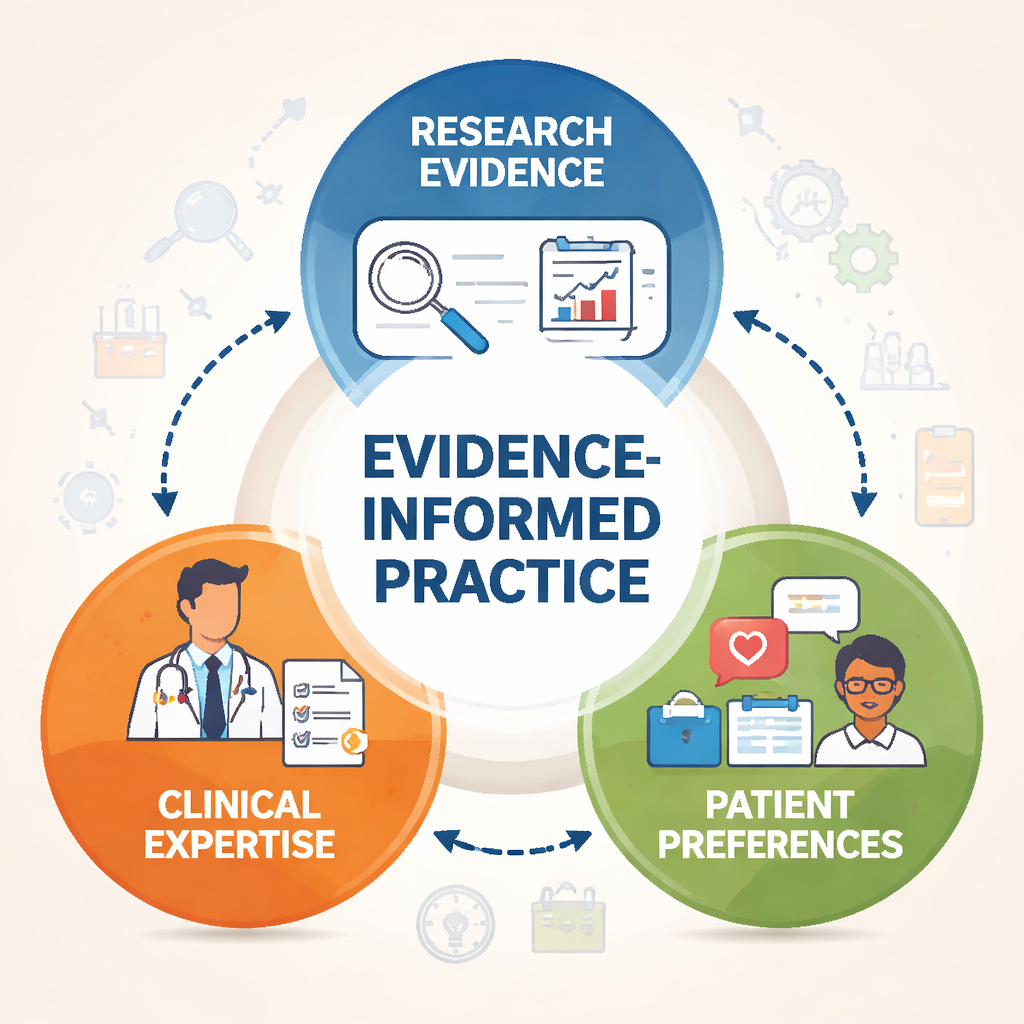
1. Evidence-Informed Practice
Ground your nature-based work in psychological research, ethical standards, and culturally respectful frameworks — not trends or assumptions.
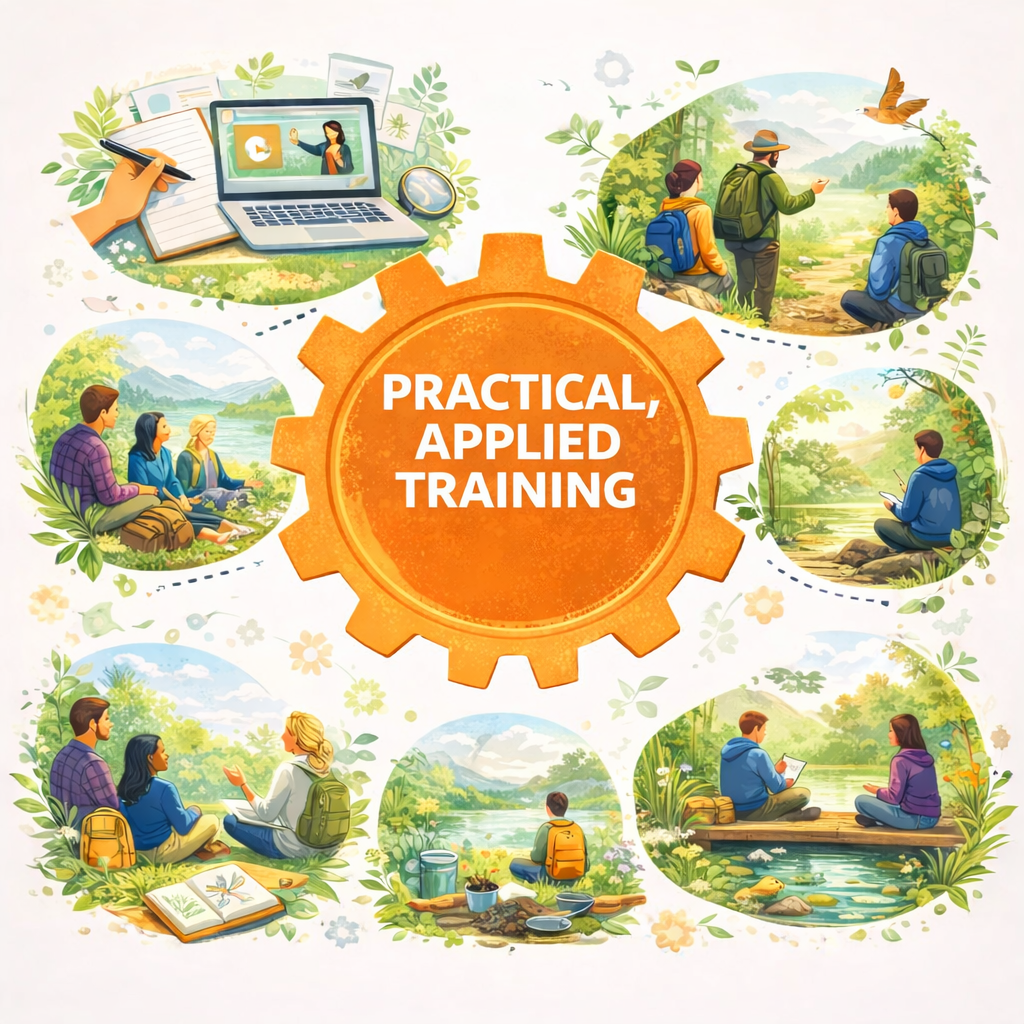
2. Practical, Applied Training
Move beyond theory with structured tools, real-world session design, and hands-on exercises that prepare you to work confidently in natural environments.

3. Ethical and Culturally Aware
Learn to integrate ecotherapy responsibly, honoring Indigenous perspectives, community contexts, and the environments you work within.
What Is Ecotherapy-Informed Practice?
---
Ecotherapy-Informed Practice is a non-clinical professional framework that integrates contemporary psychological research on the human-nature relationship into applied wellbeing practice.
Grounded in the field of ecopsychology, this approach translates insights about the human-nature connection into practical methods that professionals can responsibly integrate into their work.
Our program offers a structured approach to support professionals in:
- Supporting nervous system regulation through intentional contact with nature,
- Encouraging stress reduction, restoration, and resilience,
- Integrating evidence-informed nature-based approaches within ethical scope of practice,
- Strengthening relational awareness between individuals, communities, and the natural world.
FEATURED: INTERNATIONAL PROFESSIONAL CERTIFICATE
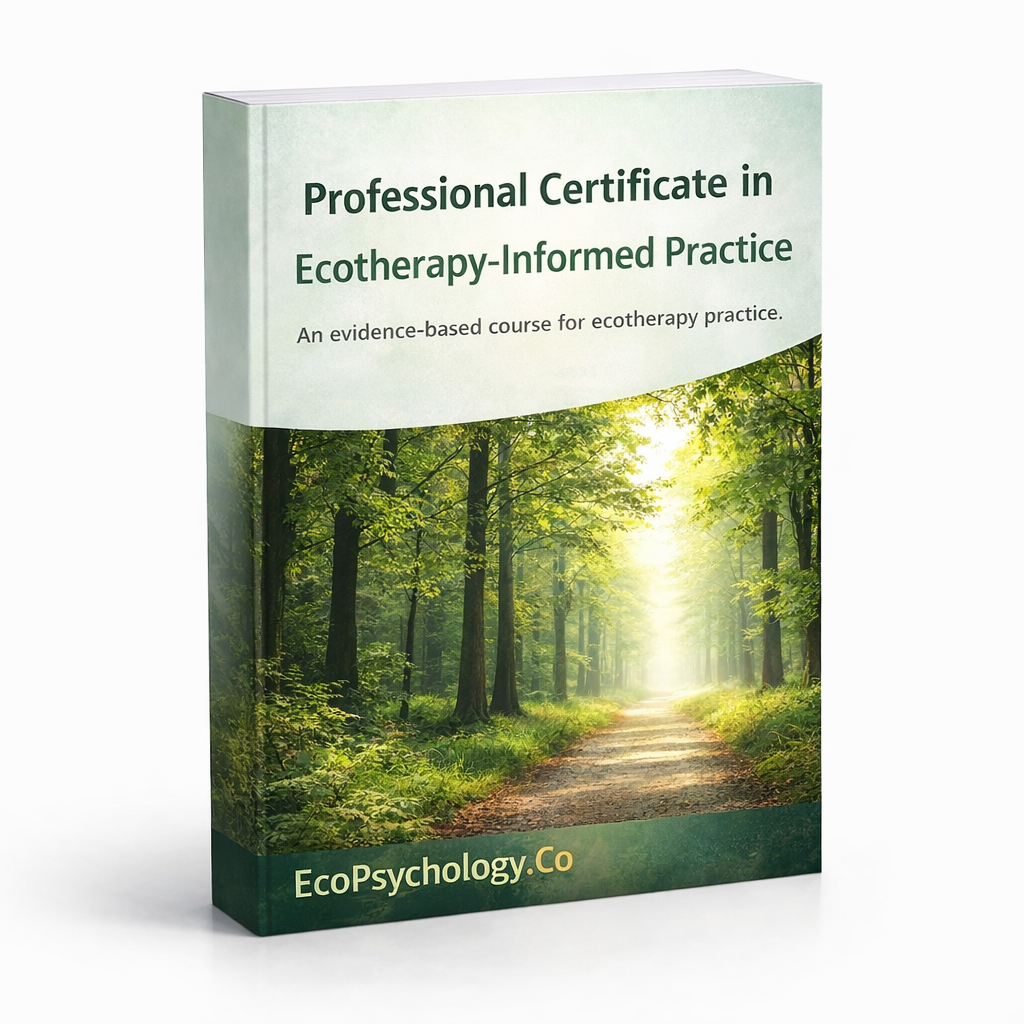
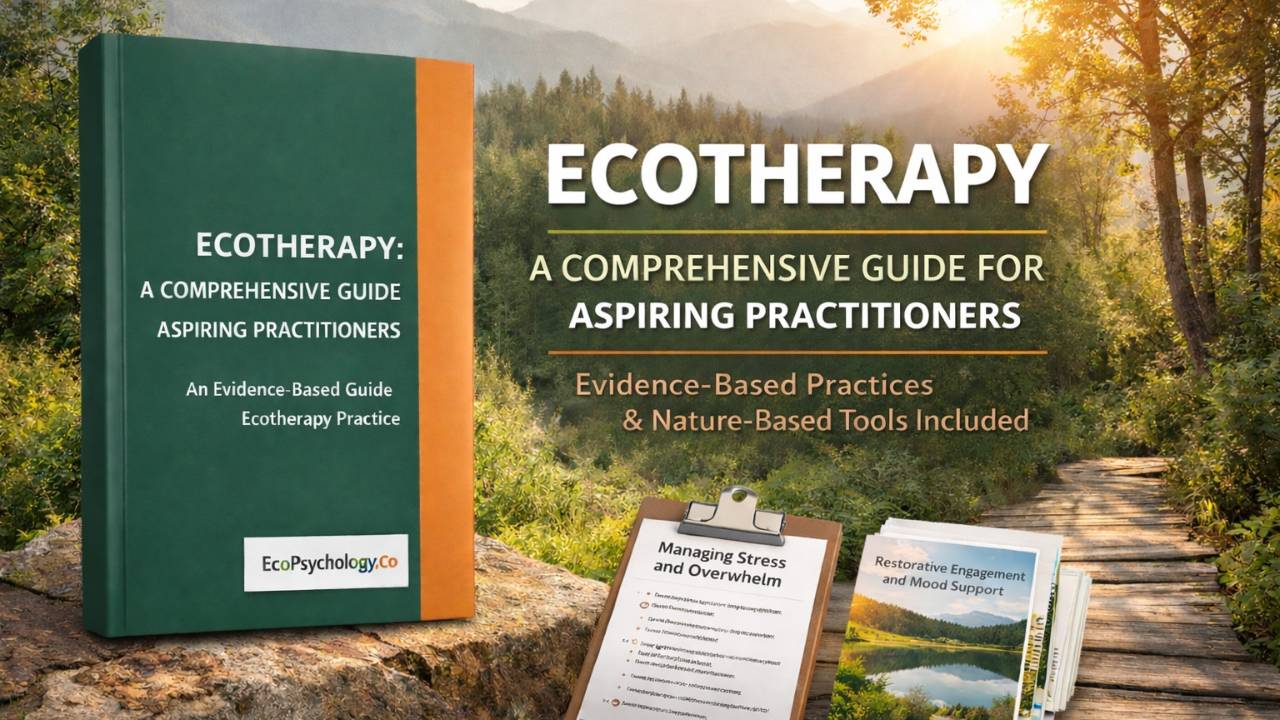
Professional Certificate in Ecotherapy-Informed Practice (EIP)
Comprehensive online training program designed for coaches, educators, and wellbeing professionals seeking to integrate nature-based practices into their work:
-
8 structured units
-
Practical techniques and program design
-
Ethical and safety foundations
-
Personalized feedback on final assessment
Our Evidence-Informed Framework
---
Our curriculum translates complex research into actionable professional tools, drawing from:
-
Environmental Psychology: Understanding how environments influence human behavior and emotion.
-
Ecopsychology: Exploring the reciprocal relationship between planetary and personal health.
-
Stress Physiology & Restoration Theory: Applying science-based concepts like Attention Restoration Theory (ART) and Biophilia.
-
Nature-Based Wellbeing Research: Utilizing evidence-based data on nature immersion and mental health outcomes.
-
Systems Thinking & Professional Ethics: Ensuring practice is holistic, responsible, and aligned with modern professional standards.
What People Are Saying
★★★★★
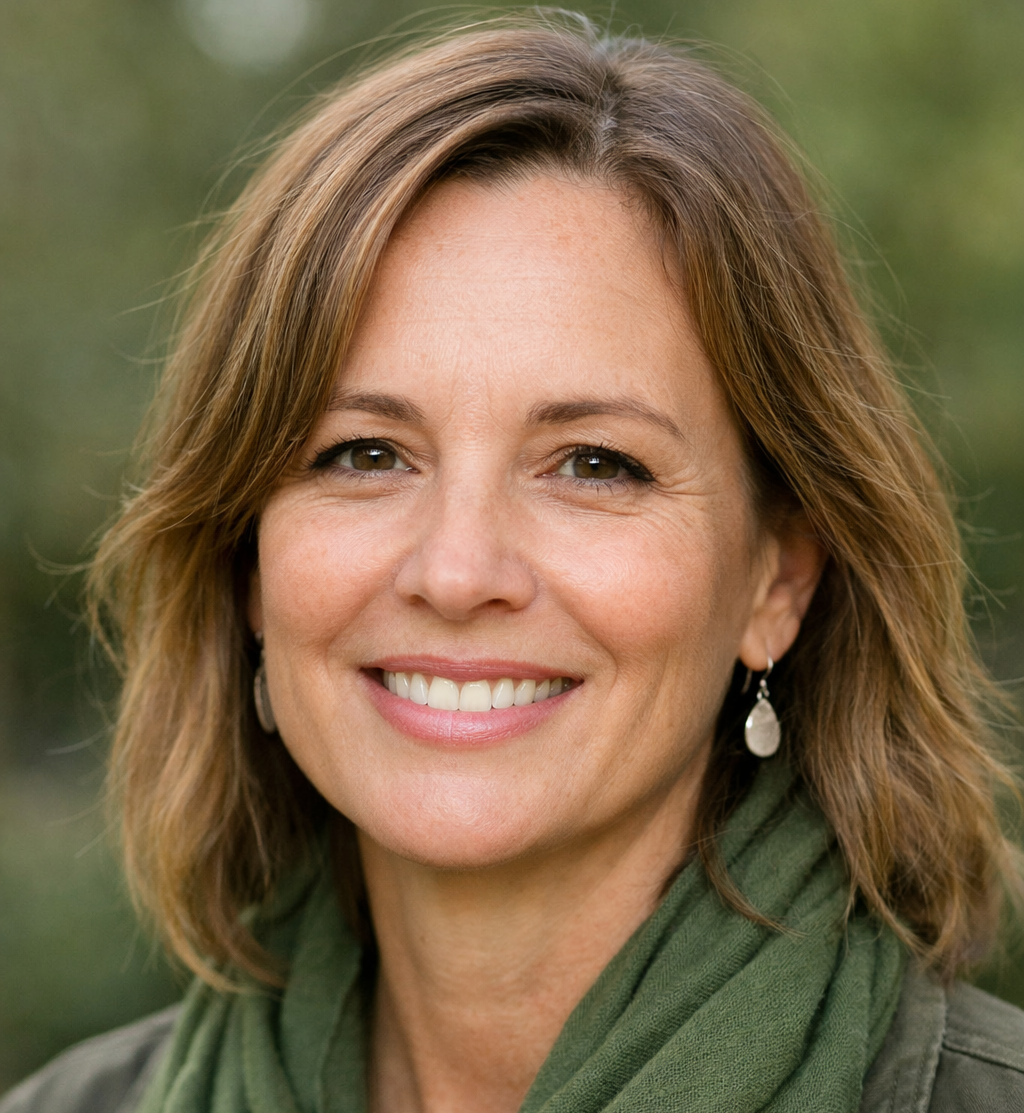
“This course brought depth and structure to my practice. It helped me move from simply taking clients outdoors to working with nature in a more intentional, ethical, and evidence-informed way. I now feel far more confident integrating nature-based elements into sessions, with clear frameworks and boundaries.”
Sarah M.
Counsellor, Australia
★★★★★
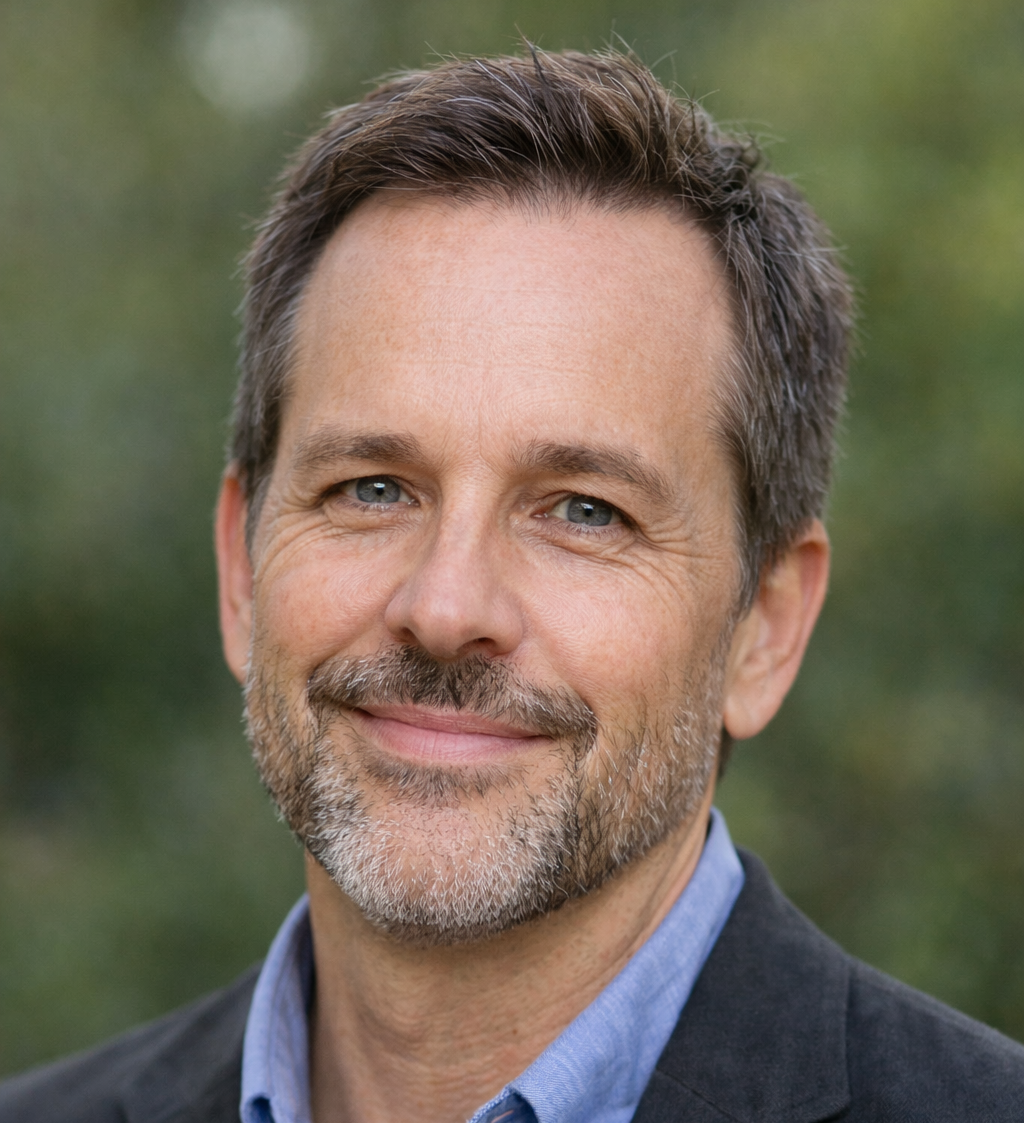
“The balance between research, cultural awareness, and practical application is exceptional. The course doesn’t just explain the theory, it translates it into grounded, real-world approaches I can confidently use in professional settings. It strengthened both my conceptual understanding and my practical skill set.”
Dr. James T.
Psychologist, U.S.

★★★★★
“The program design module shifted me from simply learning techniques to truly thinking like a facilitator. It helped me understand how to structure sessions with intention, flow, and ethical clarity rather than just delivering activities. I now approach nature-based work with greater confidence, purpose, and professionalism.”
Elena R.
Wellness Practitioner, U.K.
Why This Field Matters Now
---
The modern world is facing a convergent crisis of wellbeing. As burnout, digital overload, and ecological anxiety rise, the need for science-based nature interventions has never been greater.
The Professional Gap
While research proves that nature supports emotional regulation and cognitive recovery, many practitioners still lack:
-
Defined Scope: Clarity on ethical and legal boundaries.
-
Structured Models: Proven ways to integrate nature into existing work.
-
Risk Frameworks: Systems for safety and liability in outdoor settings.
We bridge this gap by establishing a coherent professional standard for Ecotherapy-Informed Practice.
Join Our CommunityResearch & Insights
EcoPsychology.Co publishes research-informed articles exploring topics such as:


Join us for a Free Lesson
---
Get immediate access to a sample module from the Professional Certificate in Ecotherapy-Informed Practice.
See our evidence-informed approach in action.
Access Now